


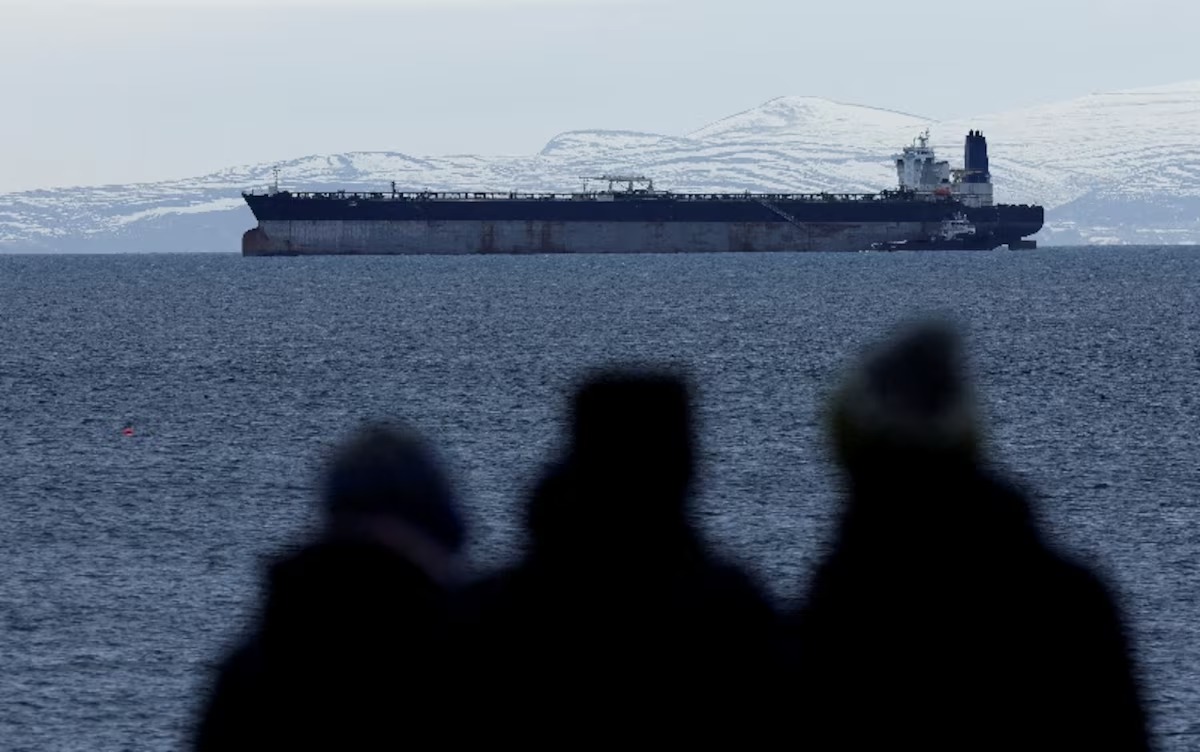
SCOTLAND [BE Report]: Oil prices climbed sharply on Thursday, with Brent crude rising above $105 a barrel as escalating attacks on tankers in the Middle East heightened concerns over potential disruptions to global supplies.
Brent futures gained $4.05, or 4%, to reach $105.26 a barrel by 1215 GMT. U.S. West Texas Intermediate crude also moved above $100 for the first time since May, advancing $3.99, or 4.15%, to $100.04.
Brent has now risen more than 30% from its early-August lows as hopes for a lasting U.S.-Iran ceasefire have faded and hostilities have resumed.
Shipping risks have increased across key regional routes. Iran-aligned Houthi forces took control of Yemen’s port of Mocha on Thursday, adding to concerns over traffic through the Red Sea. At the same time, tanker movements through the Strait of Hormuz remain severely restricted following a series of attacks in the region.
“The recent run-up in prices lays bare the market’s approach: this conflict will last longer than anticipated even a month ago, let alone at the beginning of the summer. If oil supply and exports are diminished, the oil balance remains tight and prices remain elevated,” said PVM analyst John Evans.
U.S. President Donald Trump also warned that the United States could strike Iran’s Pickaxe Mountain, an area near the heavily damaged Natanz uranium enrichment facility. Trump said the conflict was likely to continue beyond the November midterm elections.
Iran said it had attacked 10 ships near the Strait of Hormuz on Wednesday, following U.S. strikes on five Iranian oil tankers. Iran’s Islamic Revolutionary Guard Corps said it would intensify its response if further attacks were carried out.
The growing threat to oil flows has pushed Brent firmly above the $100 mark, but analysts say whether prices can sustain their latest gains could depend heavily on demand from China.
China, the world’s largest crude oil importer, has increased purchases in recent weeks after a period of weaker demand. According to ING analysts, the renewed buying has provided additional support to physical crude markets.
A continued recovery in Chinese imports could magnify the effect of any supply interruptions and provide further upward momentum for oil prices. Conversely, weaker Chinese buying could limit the rally.
“For months the bearish case rested on soft Chinese demand,” said David Jorbenaze, global oil market lead at commodities information provider ICIS.
The supply outlook is also being affected by lower OPEC production. OPEC reduced its forecast for global oil demand growth in 2026 to 380,000 barrels per day, marking the fifth consecutive downward revision.
OPEC’s oil output also declined by 640,000 barrels per day in August. Saudi exports experienced fresh disruptions linked to the conflict, while a U.S. blockade contributed to a reduction in Iranian oil shipments.