


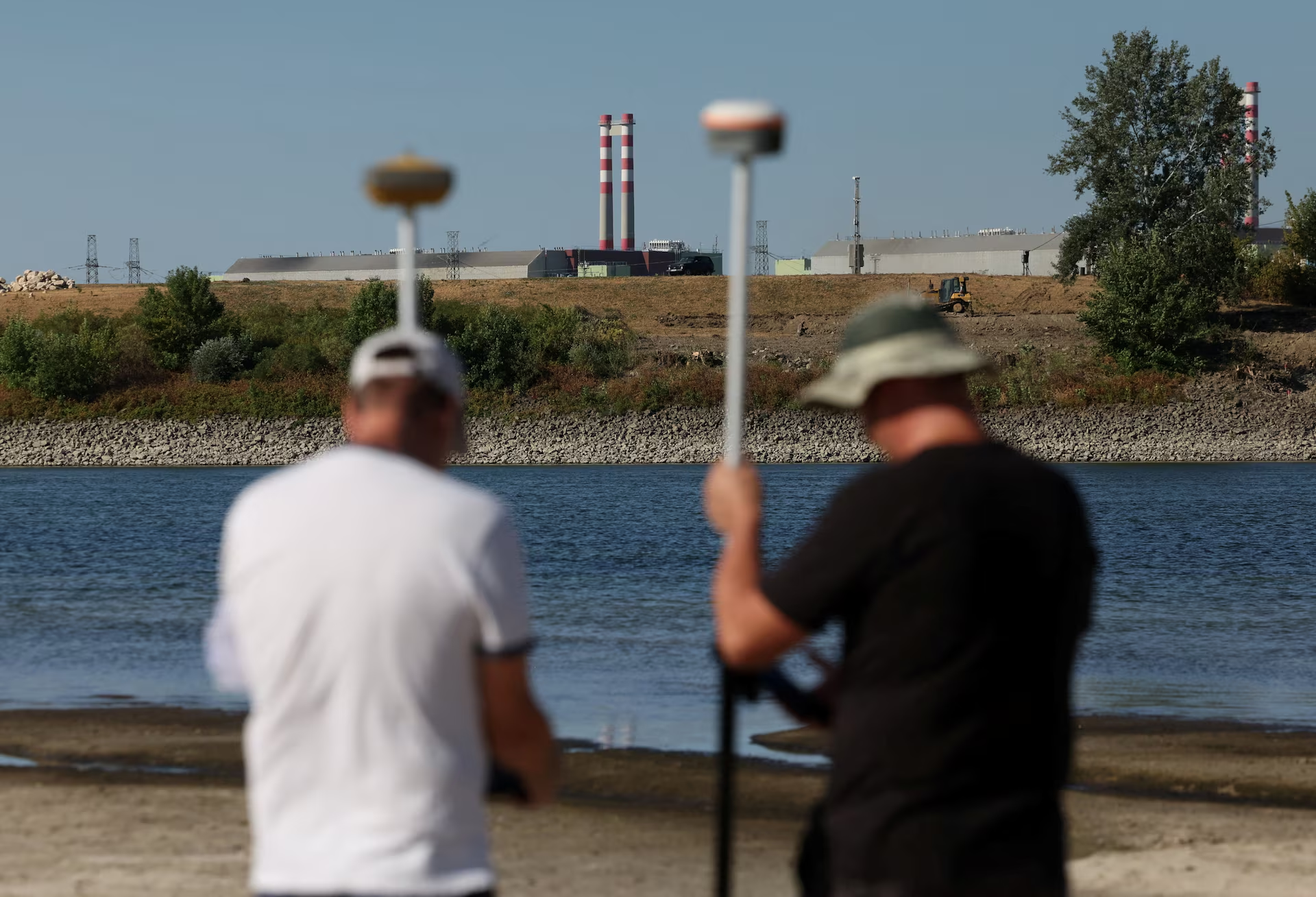
BUDAPEST [Energy Desk]: Hungary is preparing to sink two large barges into the Danube River near the Paks nuclear power plant in an emergency effort to increase water levels and safeguard reactor cooling during one of the country’s most severe droughts on record.
Prime Minister Peter Magyar said the controlled operation is expected to begin later on Friday. The temporary measure is designed to ensure adequate cooling water reaches the nuclear facility, which relies on the Danube for its cooling system.
The prolonged drought has pushed the river to exceptionally low levels, forcing the Paks plant to operate at only about 25% of its generating capacity. The reduced water flow has raised concerns about the reliability of electricity production as extreme weather continues to strain energy infrastructure across Europe.
Hungary announced earlier this week that it will construct a submerged riverbed sill—a dam-like structure built across the bottom of the river channel—to better regulate water flow near the plant. However, officials say the engineering project will take several weeks to complete.
To bridge that gap, authorities will deliberately submerge two barges, each measuring approximately 80 metres (260 feet), near the nuclear facility. The move is intended to raise the river’s water level enough to keep the plant’s two turbines operating while construction of the permanent solution is underway.
“The controlled sinking is expected to begin late this afternoon in order to raise the water level on the Danube,” Magyar said in a video posted from Paks.
Government estimates indicate the barges could increase the local water level by around 20 centimetres (8 inches) in the short term. Once completed, the riverbed sill is expected to lift water levels by as much as one metre.
The challenges at Paks reflect a wider regional impact from the summer drought. Romania shut down its last operating nuclear reactor on Thursday as low river levels and extreme heat continued to disrupt electricity generation, inland shipping and public health systems. The situation has intensified debate in both Hungary and Romania over how nuclear power infrastructure can adapt to increasingly frequent climate-driven weather extremes.