


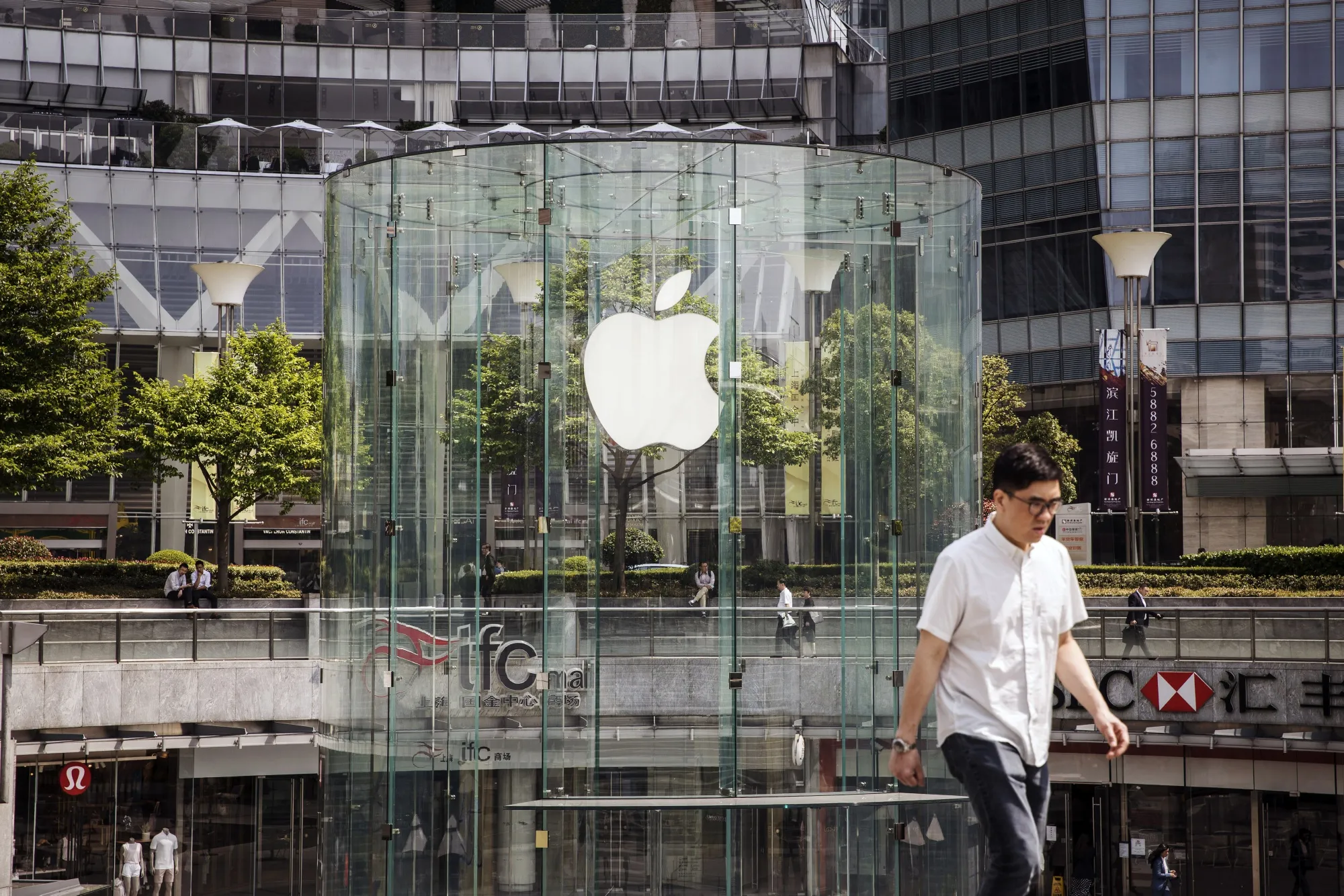
SHANGHAI (Tech Desk): Apple has developed a large language model designed specifically for the Chinese market with support from Alibaba Group, according to people familiar with the matter, signaling a strategic shift in how the company plans to deliver artificial intelligence features in the world’s largest smartphone market.
The move marks a departure from Apple’s earlier approach of relying primarily on AI models developed by domestic Chinese companies for generative AI capabilities on devices sold in China. Instead, the company has reportedly trained its own model while collaborating with Alibaba during the development process.
The development comes as Apple prepares to introduce Apple Intelligence in China in the coming months through a future iOS update, the sources said. Neither Apple nor Alibaba commented on the reports.
Unlike markets such as the United States, where Apple combines its own AI technologies with services from OpenAI, Chinese regulations restrict access to several leading U.S. AI platforms, including ChatGPT and Anthropic’s Claude. Those limitations have forced Apple to adopt a different strategy for its products in China.
Building its own China-focused AI model could give Apple greater control over the user experience while helping it compete more effectively against domestic smartphone makers, particularly Huawei, which has rapidly expanded AI capabilities across its device lineup.
The reported initiative also reflects Apple’s unique approach to navigating China’s regulatory landscape. If fully implemented, the company would become the first foreign technology firm to receive approval from Chinese authorities to deploy its own proprietary AI model in the country, representing an uncommon collaboration between American and Chinese technology companies despite ongoing geopolitical tensions surrounding artificial intelligence.
Regulatory approval paves the way
Apple’s reported AI rollout follows the completion of an extended regulatory review process. Last month, China’s Cyberspace Administration officially registered Apple’s generative AI service, clearing an important regulatory hurdle for bringing Apple Intelligence to compatible devices in mainland China.
As part of the approved framework, Alibaba’s Qwen large language model is expected to power portions of the Apple Intelligence experience on supported iPhone, iPad, Mac and Vision Pro devices sold in China. The platform is also expected to incorporate technology from Baidu.
Earlier this month, Apple briefly published a Chinese-language support guide explaining how eligible Mac users in mainland China could connect Alibaba’s Qwen model with Siri and the Writing Tools feature. The guide was later removed without explanation.
Investor optimism surrounding the Apple-Alibaba partnership has been evident since regulatory approval was announced, with Alibaba’s U.S.-listed shares rising after the registration news.
AI seen as key to reviving Apple’s China momentum
Apple’s collaboration with Alibaba first became public in February 2025, when Alibaba Chairman Joe Tsai said during the World Governments Summit in Dubai that Apple had selected Alibaba as its AI partner for China after evaluating several domestic companies.
“They talked to a number of companies in China. In the end they chose to do business with us,” Tsai said at the time.
The launch timetable was later pushed back as Apple worked to align its AI features with China’s regulatory requirements.
China remains one of Apple’s most important international markets and contributes a significant portion of the company’s revenue. Analysts have pointed to the absence of Apple Intelligence on Chinese iPhones as one factor behind slowing sales, with many consumers opting for locally produced smartphones that already offer integrated AI assistants.
It remains unclear how Apple’s newly trained China-specific model will operate alongside Alibaba’s Qwen, Baidu’s technology and other approved AI services once Apple Intelligence becomes available in the country.
Also read: Samsung and SK Hynix secure US approval for China chipmaking tools in 2026