

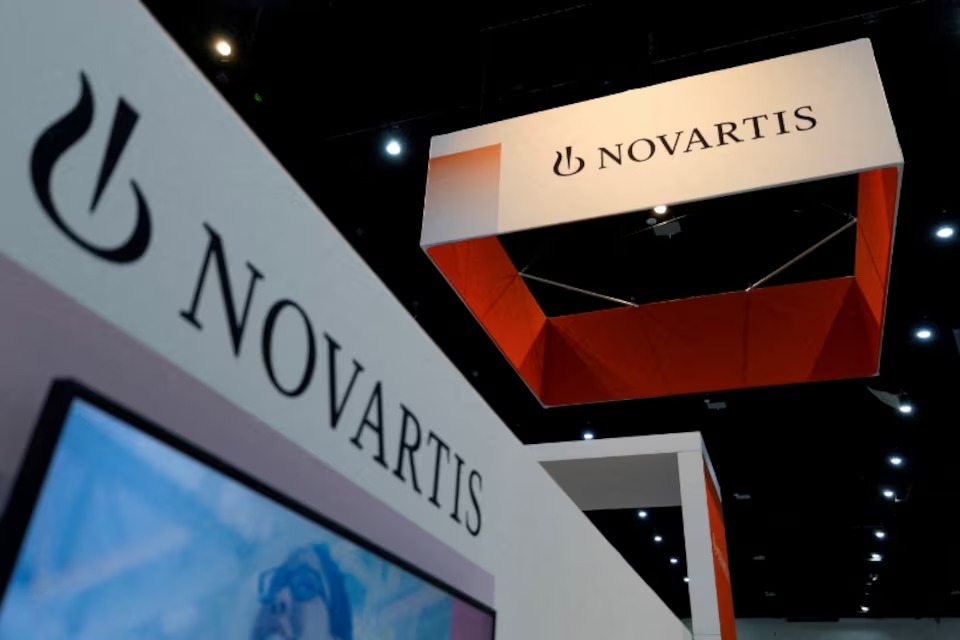
A major Novartis shareholder is calling for changes to the Swiss drugmaker’s board, arguing that stronger oversight of acquisitions is needed after two disappointing clinical trial results triggered a sharp selloff in the company’s shares.
David Samra, managing director at top-20 investor Artisan Partners and founding partner of International Value Group, said Novartis Chairman Giovanni Caforio should take steps to strengthen the board’s expertise and scrutiny of major deals.
“I think he needs to make changes at the board level. One of them should be on improving the team that’s doing these deals because clearly they have been uninspiring at best,” Samra said.
He also called for an acquisition committee and greater expertise among board members to evaluate potential transactions.
“I think that the board needs to improve their oversight of acquisitions… they need to bring in better talent on the board to do that and have an acquisition committee,” he said.
Samra stopped short of blaming Chief Executive Officer Vas Narasimhan, who has led Novartis since 2018. During his tenure, the company’s shares had gained about 60% before this week’s decline, despite challenges including U.S. tariffs under President Donald Trump and geopolitical conflicts stretching from Ukraine to Iran.
Record share price decline
Novartis shares plunged more than 10% on Tuesday after a late-stage trial for a muscle-wasting disorder treatment failed. The drug was obtained through the company’s $12 billion acquisition of U.S.-based Avidity, and the setback erased nearly $30 billion from Novartis’ market value.
The latest decline followed a drop a day earlier after results for the heart drug pelacarsen disappointed investors.
Before the two-day selloff, Novartis shares had risen roughly 20% since the beginning of the year.
Artisan is the first investor to publicly call for board changes, although concerns about Novartis’ mergers and acquisitions strategy have also been raised by other investors.
“If you do a $12 billion deal and it goes to zero, the management needs to be penalised for that,” Samra said, while acknowledging that the Avidity transaction could still produce other successful medicines.
Novartis said its financial guidance remained unchanged following the recent trial setbacks and pointed to what it described as a broad pipeline of medicines.
“We continue a disciplined and shareholder friendly approach to capital allocation by investing in the organic business, pursuing value-creating bolt-ons, and returning capital to shareholders through a growing annual dividend and share buybacks,” the company said.
Concerns over acquisition strategy
Samra also pointed to Novartis’ 2024 acquisition of German biotechnology company MorphoSys as another example of a deal that failed to maintain investor confidence. Novartis reduced the value assigned to the acquisition only months after completing the transaction.
The latest clinical setbacks have prompted some analysts to view the situation as a test of Narasimhan’s leadership. Samra, however, defended the CEO’s performance in running the company and placed greater emphasis on the board’s responsibility for scrutinising acquisitions.
“I think he has done a very good job,” Samra said of Narasimhan.
“The acquisition track record is not very good,” he added, arguing that past transactions had destroyed shareholder value. “The party is over.”
Samra also urged Novartis to reconsider its executive compensation framework. He argued that the company places too much emphasis on adjusted performance measures that exclude writedowns, rather than metrics that reflect what he described as “real economic outcomes.”