


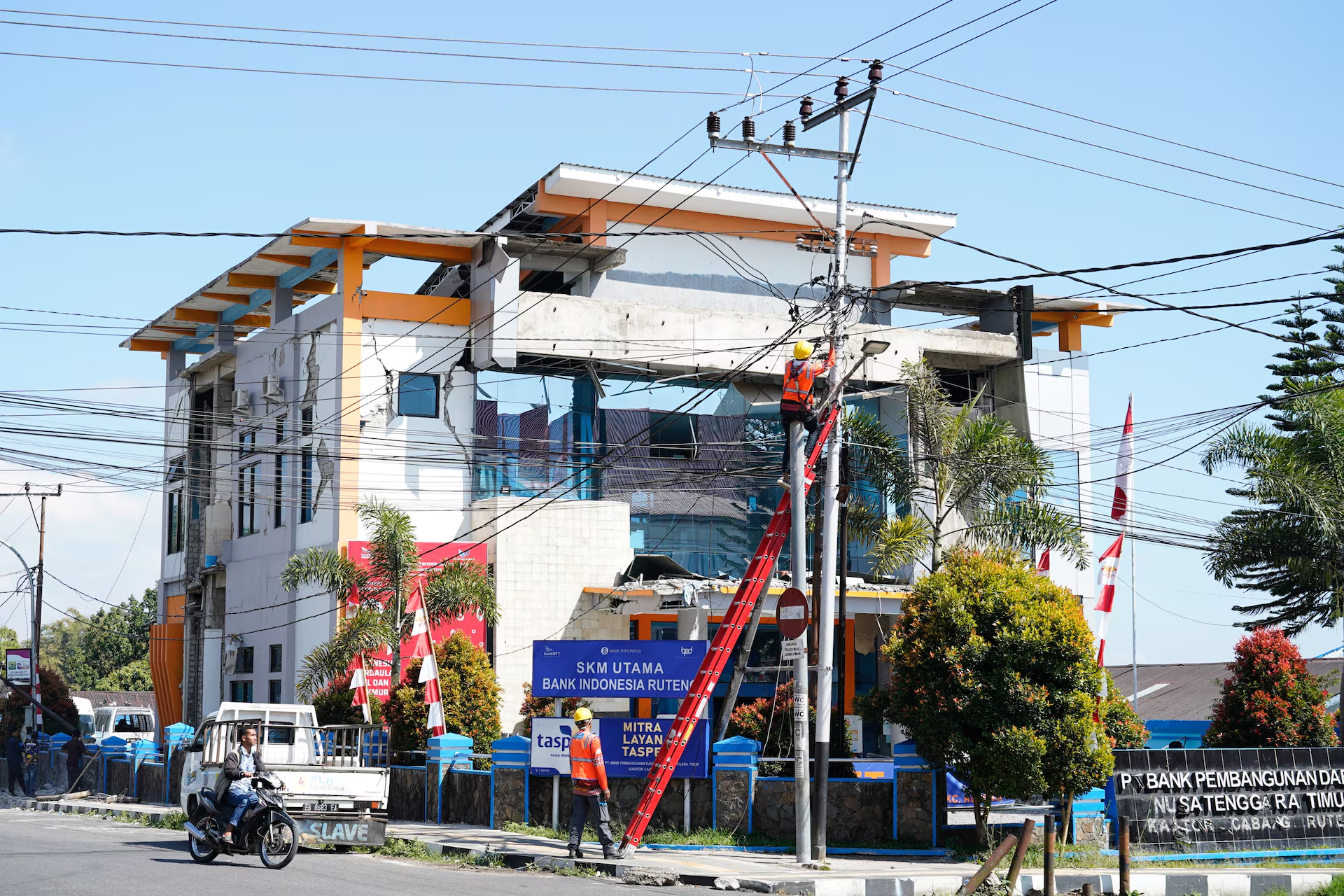
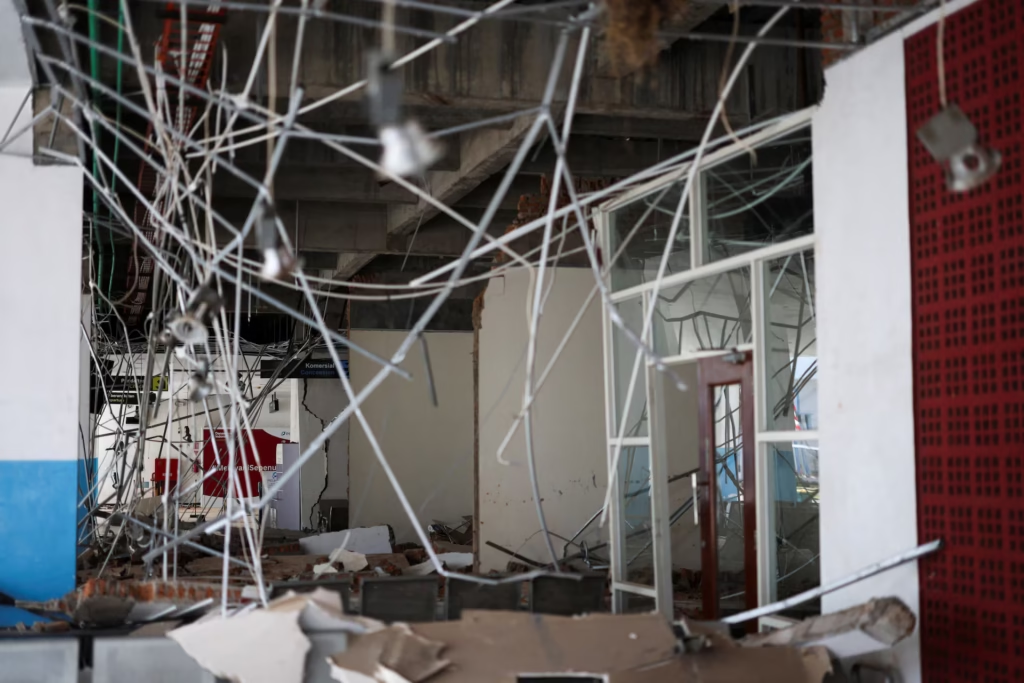
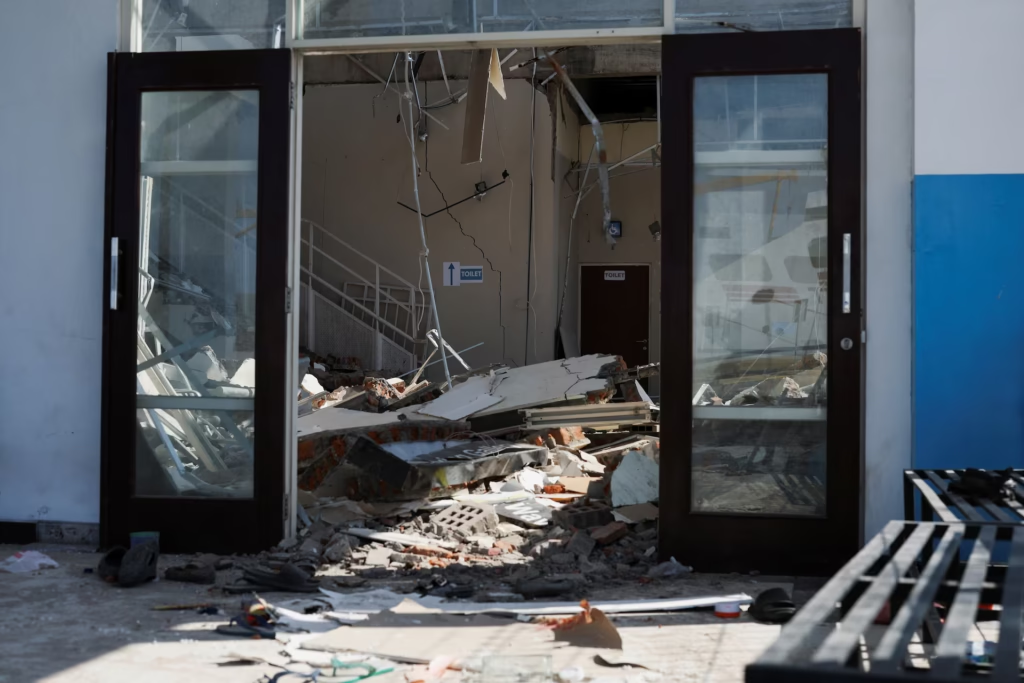
SIKKA (Business Emerge Special Report): At least 51 people have died and approximately 5,000 residents have been evacuated after a magnitude-7.7 earthquake struck Indonesia’s East Nusa Tenggara province, leaving widespread destruction, blocking roads with landslides and damaging critical infrastructure.
Authorities said the powerful quake hit on Saturday morning and was followed by 341 aftershocks, making it Indonesia’s deadliest earthquake since the devastating 2022 disaster in West Java that claimed hundreds of lives.
Deputy Health Minister Benjamin Paulus Octavianus said 36 people sustained serious injuries, while another 77 suffered minor injuries.
The disaster has displaced thousands across the province. More than 3,300 people in the Sikka region either evacuated on their own or were moved to temporary shelters, including a sports arena, according to Indonesia’s disaster mitigation agency, BNPB.
In several parts of Sikka, families spent the night outdoors after homes collapsed or were deemed unsafe. Makeshift tarpaulin shelters appeared across affected communities, while patients received medical treatment in emergency tents outside a hospital in the port town of Maumere.
“I only brought my body,” said 63-year-old Abdul Mutas, who fled with his family and slept beneath a tarpaulin surrounded by trees. “The tides were rising, so we ran.”
Simon Subandi, deputy regent of Sikka, said fear of additional tremors kept many residents from returning indoors.
“Almost all of Sikka’s residents didn’t dare stay indoors, so they slept on a porch or a tent outside,” he said.
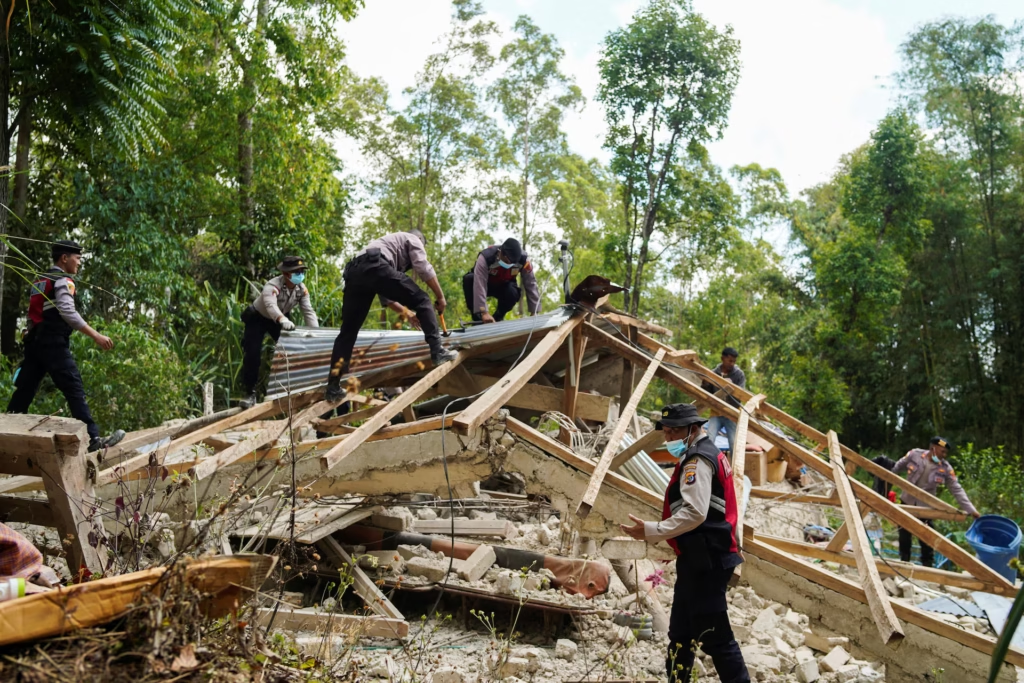
The Indonesian government has deployed more than 3,500 military personnel and police officers to support emergency response efforts across the affected region.
Search and rescue teams have reopened access to parts of Maumere that were cut off by landslides, allowing responders to reach previously inaccessible communities. Authorities have not yet released an official figure for missing people, although many are believed to be trapped beneath collapsed buildings.
BNPB reported that more than 1,300 homes were damaged by the earthquake.
The disaster also disrupted essential services. State energy company Pertamina said 20 petrol stations were forced to suspend operations because of power outages.
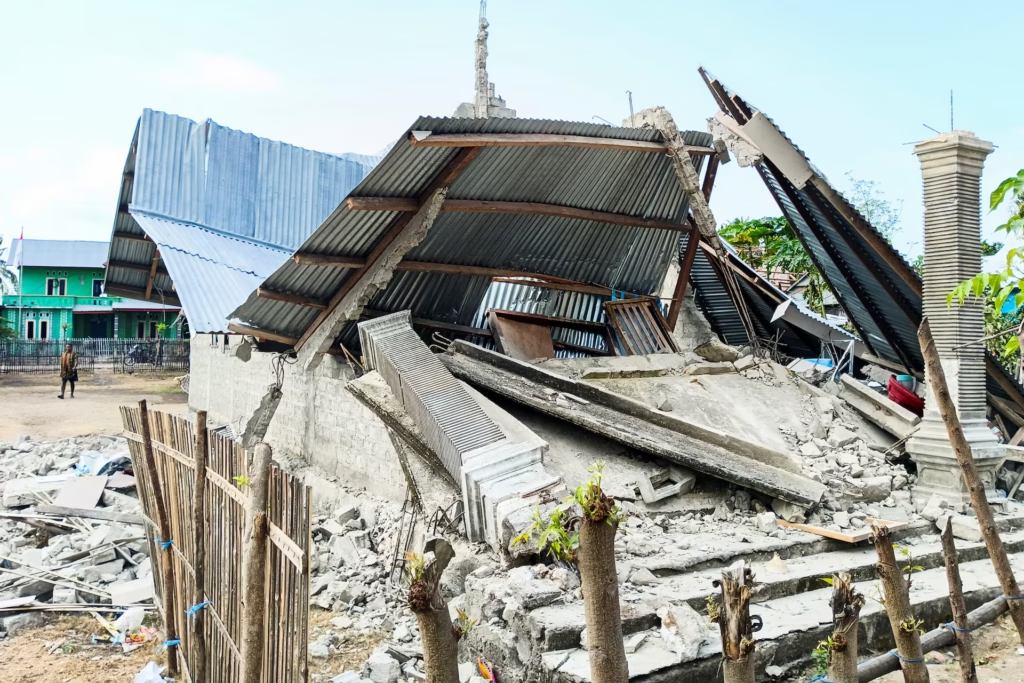
Provincial officials are considering declaring a state of emergency for East Nusa Tenggara, a move that would enable faster mobilisation of funding and additional resources for rescue and recovery operations.
The affected region has experienced major seismic activity before. Indonesia’s geophysics agency noted that a magnitude-7.5 earthquake struck the same area in 1992, causing extensive destruction.
Indonesia, an archipelago of around 290 million people, lies along the Pacific Ring of Fire, one of the world’s most seismically active regions where tectonic plate boundaries frequently generate powerful earthquakes and volcanic eruptions.