


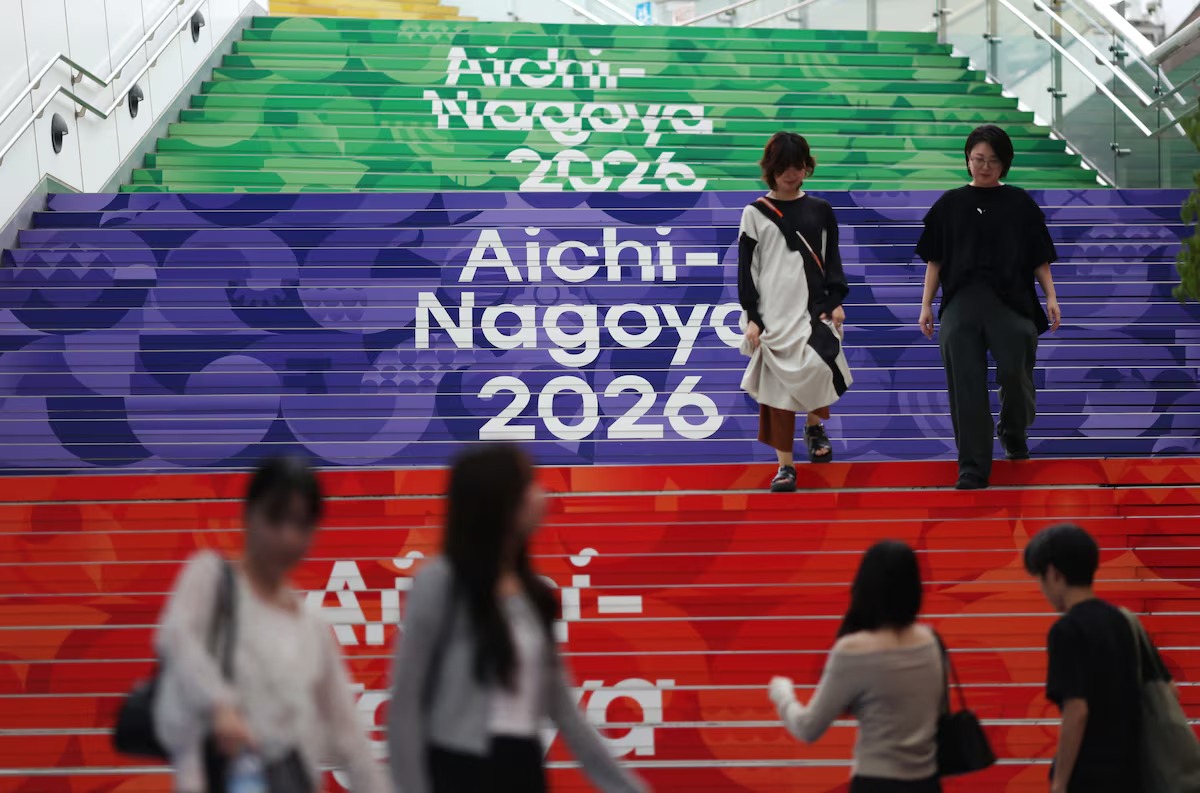
NAGOYA, Japan, Sept 18 — Japan is preparing to welcome thousands of athletes and spectators for the Asian Games in Aichi-Nagoya, but enthusiasm for the event remains subdued in some parts of the country just a day before the opening ceremony.
The Games are providing Japan with an opportunity to experience the atmosphere of a major international sporting event with spectators in the stands, five years after the Tokyo Olympics were conducted largely without fans because of COVID-19 restrictions.
Yet in Nagoya, the host city, awareness among some residents appeared limited on Friday.
“I have no real idea about these Games,” university student Hinata Koda said at a cafe. “I heard they were on but no-one has really been talking about it.”
Competition has already begun in sports including football and basketball, while thousands of athletes have arrived in the region. Promotional material is visible across central Nagoya, with advertising displays, volunteers and Games officials particularly noticeable around the city’s main railway station.
The level of visibility appears less pronounced elsewhere.
In Tokyo, where swimming competition featuring world and Olympic champions is scheduled to begin on Sunday, signs of the Asian Games were difficult to find. The event is bringing together more than 11,000 athletes representing 45 delegations.
At a tourist information office in the busy Shibuya shopping district, staff were surprised to hear that the Games had already begun and that Tokyo was among the cities hosting competitions.
“I haven’t really seen any marketing for the Games. Maybe if Japanese athletes start winning medals, people will pay more attention,” one staff member said.
The Aichi-Nagoya Games mark Japan’s return to hosting the Asian Games after more than three decades. The country last staged the continental multi-sport event in Hiroshima in 1994.
Organisers are hoping the competition can create the sense of shared sporting celebration that was largely absent during the Tokyo Olympics. Strict pandemic measures meant spectators were barred from most Olympic events, depriving athletes and the public of the traditional experience of competing and watching major events on home soil.
For Japan’s athletes and officials, the opportunity to restore that connection is an important part of the Games.
Hisashi Mizutori, Japan’s deputy chef de mission and a former Olympic champion gymnast, said many members of the country’s delegation still remember competing at the Tokyo Olympics without the presence of large home crowds.
“Back then, we were not fully able to let the Japanese public experience that atmosphere directly in person on home soil,” Mizutori said.
“That is why I believe an extremely vital aspect of hosting these Games here in Aichi and Nagoya is giving the people of Japan the chance to see the athletes compete live.”
Ticket sales have been sluggish for some competitions, leaving athletes hoping spectators will turn out as the Games progress.
Yuna Hayashi, who was visiting Nagoya from Mie prefecture, said she did not intend to attend an event in person but planned to watch some competitions on television.
The Tokyo Olympics, she noted, had been held without spectators because of the pandemic.
“So I think the athletes probably felt a bit lonely,” Hayashi said. “With spectators allowed this time, I hope people can all come together and make it a great event.”