


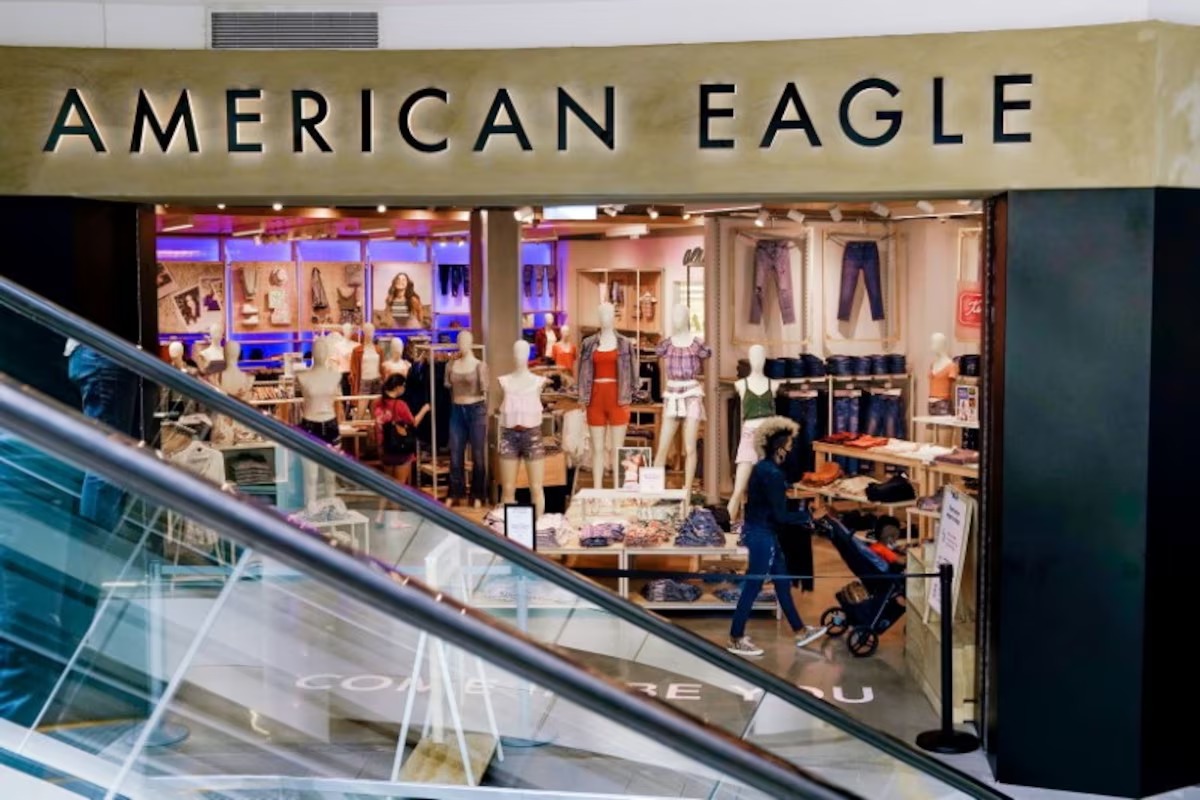
WASHINGTON [Report]: American Eagle Outfitters shares fell about 11% on Thursday after the apparel retailer projected flat quarterly gross margins, raising concerns that heavier discounting and softer demand could put pressure on profitability.
The company maintained its full-year comparable sales forecast on Wednesday even as it reported better-than-expected revenue for the second quarter. However, the margin outlook highlighted ongoing challenges in managing inventory and consumer demand.
Apparel spending has remained uneven as inflation continues to influence household budgets. Many shoppers are prioritizing essential purchases and waiting for promotions before buying clothing, contributing to a roughly 36% decline in American Eagle shares so far this year.
The retailer has increased its focus on denim in an effort to strengthen its position with younger consumers. Its high-profile “Great Jeans” campaign featuring actor Sydney Sweeney was designed in part to appeal to higher-spending Gen Z shoppers. Despite the push, American Eagle has continued to lose ground to competitors in the denim market.
Aerie, the company’s women’s intimates and activewear brand, has remained a source of strength, but that performance has not fully offset weaker results at the American Eagle label.
The namesake brand has faced inconsistent demand, particularly in women’s denim, while increased markdowns have put additional pressure on margins, according to Raymond James analyst Rick Patel.
American Eagle is also facing a more competitive retail environment. Abercrombie & Fitch raised its full-year sales and profit forecasts last month, while Gap increased its annual profit expectations after reporting quarterly results ahead of estimates.
“American Eagle continues to struggle as our experts have pointed out a less-clear brand voice and merchandising strategies… AE falls behind the likes of Levi’s and Abercrombie,” said Patrick Ricciardi, an analyst at Third Bridge.
American Eagle executives said the company was still working to clear older inventory through discounts. A rapid change in fashion preferences, including a sudden shift toward low-rise jeans, left some products less appealing to shoppers and contributed to the need for markdowns.
Inventory costs increased 14% in the quarter ended August 1, with the figure also reflecting additional costs associated with tariffs.