


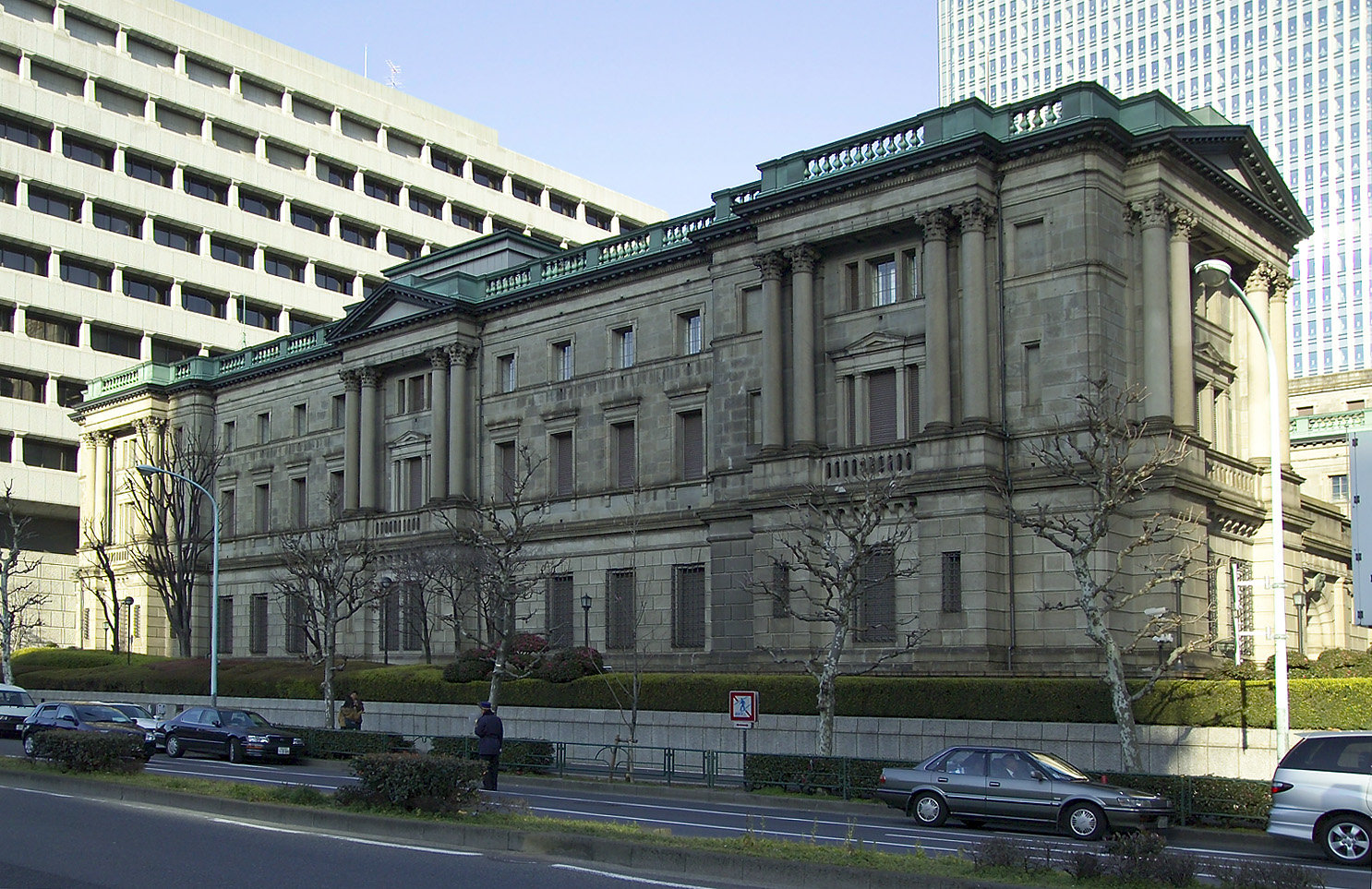
TOKYO (BE Correspondent, Aug 14): The Bank of Japan is preparing for a potential interest rate increase as early as September, with policymakers also debating whether to accelerate the pace of future monetary tightening amid mounting inflationary pressures, according to people familiar with the central bank’s thinking.
Officials are increasingly convinced that persistent price pressures, sustained weakness in the yen and robust global demand linked to artificial intelligence are creating conditions that warrant a faster policy response than previously anticipated.
One person familiar with the discussions said a September rate increase has become a realistic possibility, pointing to the central bank’s policy meeting scheduled for September 17-18. The same source indicated that officials are also evaluating whether interest rates should rise more frequently than the current pace of roughly two increases per year. Another person familiar with the matter echoed that assessment.
Financial markets reacted swiftly to the reports, with Japan’s two-year government bond yield, which is particularly sensitive to monetary policy expectations, rebounding. The five-year government bond yield also climbed to a record high.
Since ending its long-running stimulus programme in 2024, the Bank of Japan has gradually moved away from ultra-loose monetary policy. The central bank most recently raised its benchmark interest rate to 1% in June, the highest level in more than three decades.
Although policymakers left interest rates unchanged at their July meeting, they issued one of their strongest warnings yet that increasing price pressures could push underlying inflation beyond the Bank of Japan’s 2% target. Minutes summarising the meeting also revealed that several board members supported a faster pace of policy tightening to prevent inflation from becoming more entrenched.
Speaking after the July meeting, Governor Kazuo Ueda acknowledged growing concerns within the policy board over inflation risks and said those concerns would influence future decisions. He also indicated that the central bank could move more aggressively if financial conditions remained excessively accommodative.
Several recent developments have reinforced the Bank of Japan’s inflation concerns. Surveys suggest inflation expectations among households, businesses and economists are now approaching or exceeding the central bank’s 2% objective.
Meanwhile, wholesale inflation remained elevated in July, holding near three-year highs and increasing the likelihood that businesses will continue passing higher costs on to consumers.
The Japanese yen has recovered somewhat from the 40-year low reached last month, but analysts believe its broader downward trend could continue to raise import costs and contribute to higher prices across a wide range of goods.
One person familiar with the central bank’s discussions said that with underlying inflation now close to the 2% target, policymakers must remain particularly alert to any risks of inflation accelerating further.
The Bank of Japan has repeatedly stressed that as interest rates move closer to levels considered neutral for the economy, officials must carefully assess how previous rate increases are affecting Japan’s still-fragile economic recovery before deciding on additional tightening.
However, the same source said the recent rise in inflation risks means the central bank may have limited room to delay further action. The people familiar with the discussions requested anonymity because they are not authorised to speak publicly. The Bank of Japan declined to comment.
Market attention has also intensified following last month’s coordinated intervention by Japan and the United States to support the yen, along with comments from U.S. Treasury Secretary Scott Bessent regarding the Japanese currency. Investors are now pricing in nearly an 80% probability that the Bank of Japan will raise interest rates in September.
Some economists believe that if the central bank delivers a rate increase next month, it could pave the way for another move in December, reinforcing expectations that policymakers may eventually shift toward quarterly rate hikes.
Also read: NIH research grants to be reviewed after federal lawsuit settlement