


WUHAN [Asia Desk]: China is preparing a major capital injection into state-owned banks and insurers, with the finance ministry set to provide a combined $54 billion as Beijing moves to reinforce the resilience of the country’s financial system.
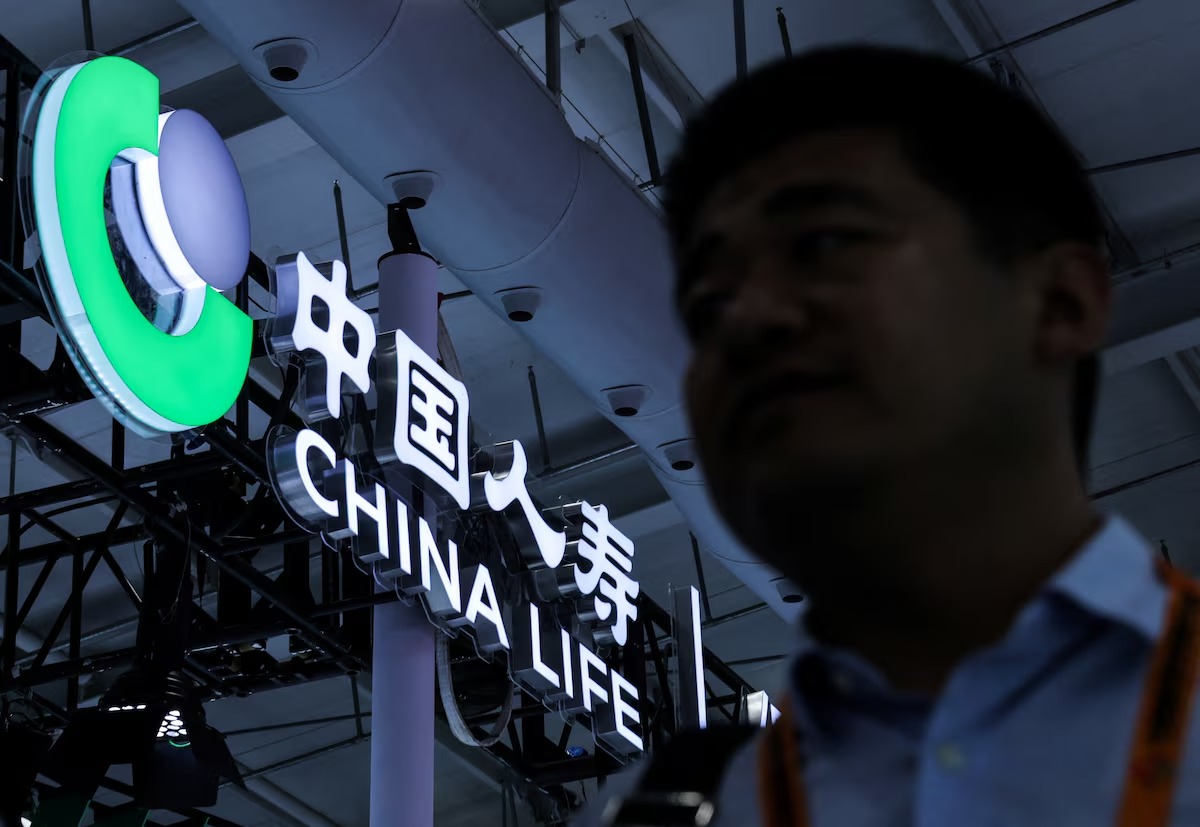
China Life Insurance (Group) Co, the nation’s largest life insurer, said it would receive 35 billion yuan ($5.2 billion) from the Ministry of Finance. China Taiping Insurance Group is also set to receive 7 billion yuan, according to statements issued by the two companies on Sunday.
People’s Insurance Company (Group) of China separately announced plans to raise as much as 15 billion yuan through a private placement of A-shares to the Ministry of Finance. The proceeds will be used to strengthen the insurer’s capital position.
The measures come as state-owned insurers face pressure from prolonged low interest rates and weaker profitability. Several small and medium-sized insurers have also seen their solvency ratios deteriorate, increasing the importance of stronger capital buffers across the sector.
China Export and Credit Insurance Corp said the finance ministry would inject 10 billion yuan into the company to strengthen its core capital. China Reinsurance (Group) also said it would raise 3 billion yuan.
The recapitalisation could give major state insurers greater capacity to provide long-term support to China’s stock market and potentially play a role in helping regulators address risks among smaller insurance companies.
China Life described the capital injection as an important measure to improve the financial sector’s ability to support the real economy and promote higher-quality development in the banking and insurance industries. The company said the additional capital would also strengthen its ability to withstand risks.
China Taiping said the funds would improve its solvency and other key financial indicators.
Banking groups are also receiving substantial support under Beijing’s broader recapitalisation programme.
Three state-owned lenders announced on Sunday that they would receive a combined 290 billion yuan in capital injections. The programme was first announced during China’s annual parliamentary meeting in March and builds on a financing mechanism that was used to strengthen other major state banks last year.
Agricultural Bank of China said it plans to raise up to 160 billion yuan through a private placement of A-shares. Industrial and Commercial Bank of China plans to raise as much as 100 billion yuan through a similar placement. The finance ministry, China National Tobacco Corp and its subsidiaries are expected to participate in the offerings.
Both banks said the proceeds would be used entirely to replenish core Tier 1 capital, giving them greater capacity to maintain lending as Beijing relies on state-owned lenders to support economic growth.
Weak demand for loans remains a challenge for China’s economy and has added pressure to bank profitability. The slowdown in credit demand has made stronger capital positions increasingly important as lenders continue to support economic activity.
The Export-Import Bank of China, one of the country’s three policy banks, will also receive a 30 billion yuan injection from the finance ministry, further strengthening its capital base.
The coordinated measures across banks and insurers underscore Beijing’s effort to reinforce financial-sector stability while maintaining the capacity of major state institutions to support the wider economy.