

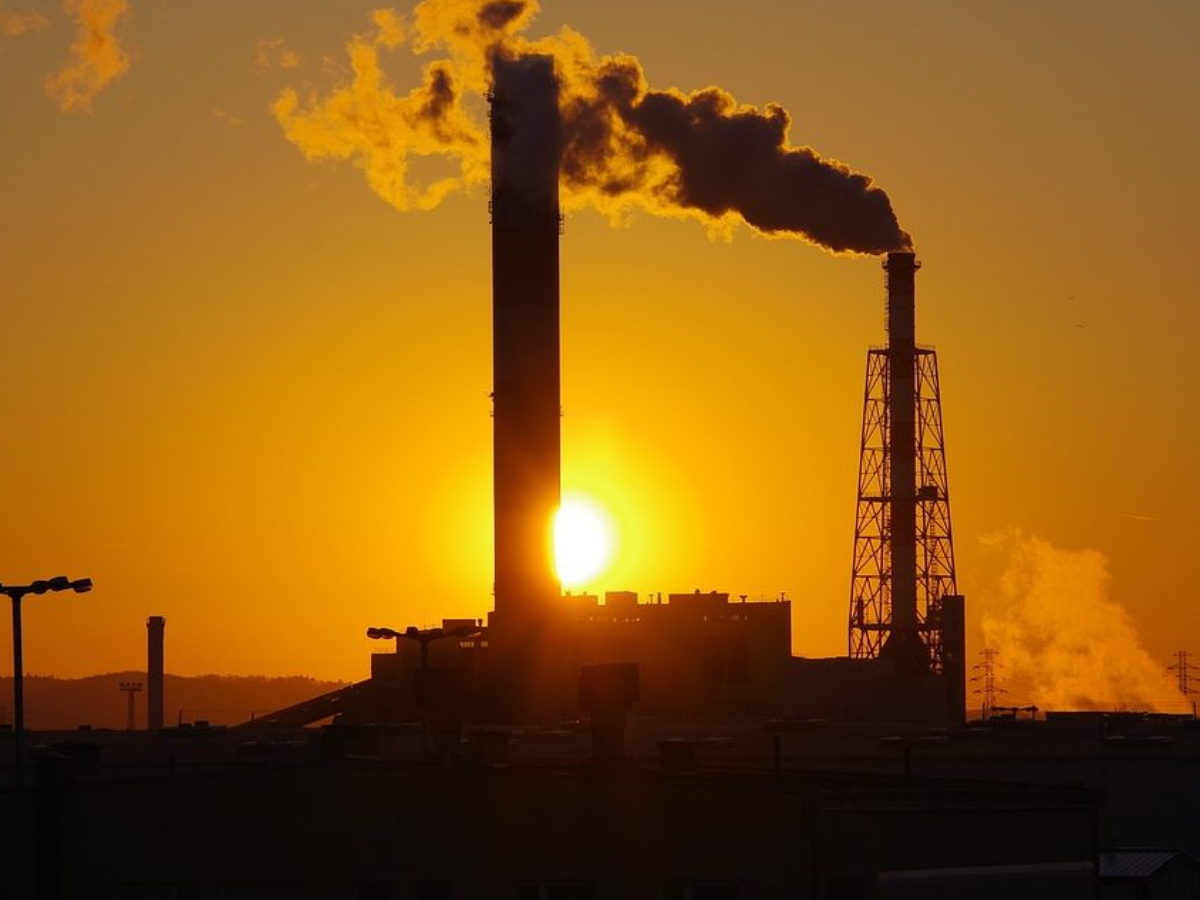
Örebro (Business Emerge / Rural Europe): Greenhouse gas output in Sweden increased during 2024, ending a period of steady decline recorded over several years. Official data released this week showed a year on year rise that followed adjustments to national fuel blending requirements for petrol and diesel. The increase marked a shift from earlier reductions achieved through long term emissions controls and sector specific measures.
The change was recorded across the full calendar year and covered carbon dioxide along with other regulated greenhouse gases. The rise occurred after the administration revised mandatory biofuel mixing levels used in road fuels. Those blending rules had previously been a central element of Sweden’s emissions control framework for transport and related activities.
The data indicated that total greenhouse gas emissions, excluding absorption by forests and land use, reached about 47.5 million tonnes in 2024. This represented an increase of roughly 3 million tonnes compared with the previous year, equivalent to a rise of about 7 percent. Transport within the country accounted for a large share of the increase, with emissions from that sector rising by 24 percent. Emissions linked to heavy machinery operations increased by 33 percent over the same period.
Historical figures showed that Sweden’s emissions had followed a generally downward trajectory since 1990. Over that period, total output had fallen by about one third. The transport sector had also recorded consistent reductions over the past 15 years, supported by fuel standards, efficiency improvements, and changes in energy use. The 2024 figures interrupted that pattern and reversed gains achieved in recent reporting periods.
Sweden is bound by European climate commitments that include specific reduction targets for sectors outside emissions trading systems. Under these obligations, emissions from domestic transport are set to be reduced by 50 percent by 2030 compared with levels measured in 2005. The recent increase means that meeting those requirements will now require steeper reductions over the remaining years of the decade if current policies remain unchanged.
The data also highlighted developments in land use and forestry, which play a role in offsetting emissions. Carbon absorbed by forests and other land use categories rose to about 54.3 million tonnes in 2024, an increase of roughly 8 million tonnes from the previous year. Forests cover around 70 percent of Sweden’s land area and form a key component of its long term climate accounting. However, their capacity to absorb carbon has declined in recent years due to factors including drought conditions and higher levels of logging.
National climate targets extend beyond the 2030 horizon. Sweden has set an objective of reaching net zero greenhouse gas emissions by 2045. Under that framework, emissions are required to fall by 85 percent from 1990 levels, with the remaining share balanced through carbon uptake in land use and other approved measures. Progress toward that goal depends on sustained reductions across transport, industry, and energy use, alongside stable absorption from forests.
Based on the reported figures, the next phase of emissions reporting will show whether the 2024 increase represents a one year deviation or a longer trend. Existing targets and obligations remain in place, and future outcomes will depend on how fuel standards, transport activity, and land use patterns develop under current rules.