

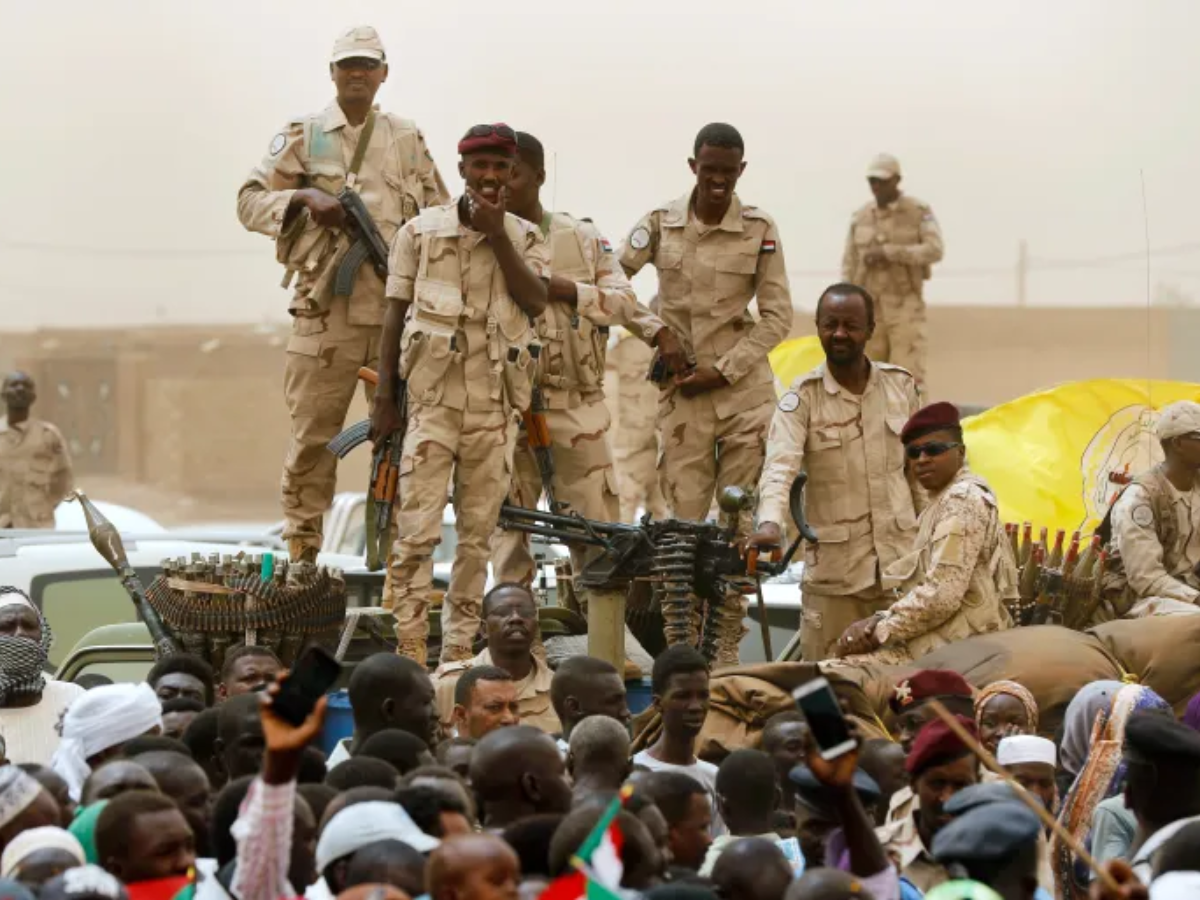
KHARTOUM (Business Emerge/Middle East): Sudan has again been placed at the top of a Sudan crisis watchlist that ranks countries facing the highest risk of humanitarian emergencies, marking the third consecutive year the country has held the leading position. The latest edition of the list points to continuing armed conflict, large-scale civilian displacement, and limited access to aid as central factors driving the situation.
The watchlist was released this week by an international humanitarian organization that monitors global emergency conditions. The assessment covers 20 countries considered most vulnerable to either new humanitarian crises or a worsening of existing ones. Sudan’s position reflects the sustained intensity of fighting that began in April 2023 and has continued without a comprehensive cessation of hostilities.
Data included in the assessment shows that the conflict in Sudan has resulted in tens of thousands of deaths since it began. More than 12 million people have been forced to leave their homes, making it the largest displacement situation currently recorded. The report notes that humanitarian workers operating in and around Sudan face shortages of funding, personnel, and safe access routes, limiting their ability to reach displaced populations and provide basic assistance.
The background to the crisis lies in a breakdown between rival armed forces that escalated into open warfare in early 2023. Fighting spread rapidly across major urban centers and rural areas, disrupting food supply chains, health services, and public infrastructure. Over time, the conflict expanded beyond initial flashpoints, leading to repeated waves of displacement within Sudan and across its borders into neighboring countries.
The watchlist places Sudan ahead of several other regions facing severe strain, including areas in the Middle East, Africa, the Caribbean, Eastern Europe, and Southeast Asia. Collectively, the 20 countries identified account for about 12 percent of the global population. Despite this, they represent nearly nine out of every ten people worldwide who currently require humanitarian assistance. The assessment also indicates that these countries are expected to be home to more than half of the world’s people living in extreme poverty by the end of the decade.
Beyond Sudan, the remaining countries on the Sudan crisis watchlist include territories and nations affected by prolonged conflict, economic instability, climate-related shocks, and weak access to essential services. The concentration of need in a limited number of locations highlights the uneven global distribution of humanitarian risk and the growing scale of long-running emergencies.
Looking ahead, the assessment outlines that Sudan’s position on the watchlist is likely to persist as long as large-scale fighting continues and access constraints remain unresolved. The report states that humanitarian conditions are closely tied to security developments on the ground and the ability of aid providers to operate safely. Without changes in these factors, displacement levels and humanitarian needs are expected to remain at historically high levels within the country.