

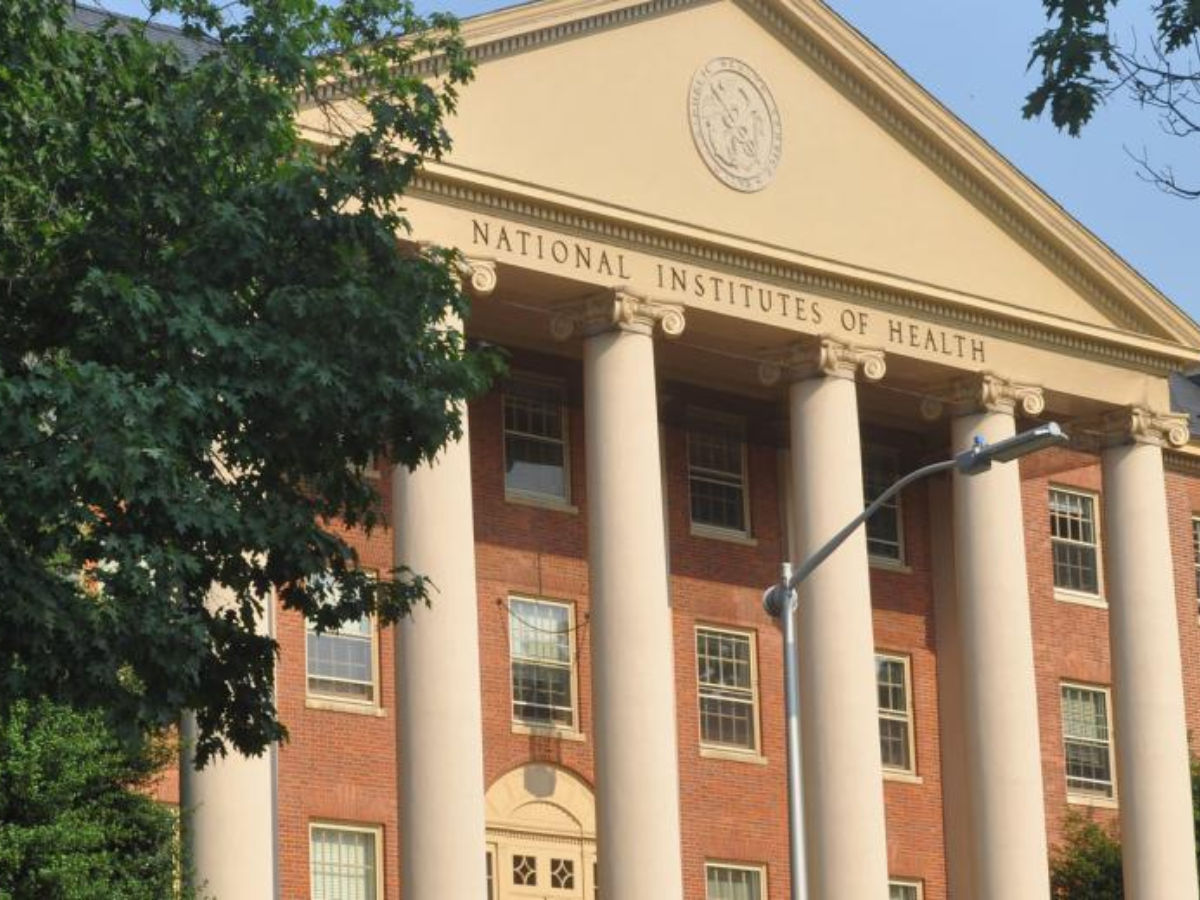
NEW YORK (Business Emerge): U.S. authorities have agreed to conduct a fresh review of National Institutes of Health research grant applications that were paused or denied following a change in internal funding policy. The agreement follows legal action brought by academic researchers and several U.S. states challenging the handling of those applications. Under the settlement terms, the review process will resume for proposals affected during the dispute, while leaving final funding decisions with the agency.
The agreement was reached on Monday after months of court proceedings involving the Department of Health and Human Services and the National Institutes of Health. The lawsuit focused on grant applications that were frozen, withdrawn, or rejected after the NIH revised how it assessed certain research topics. The case was filed by individual researchers and state governments that argued the changes disrupted established funding procedures and halted active scientific work.
Court records show that a federal judge earlier found that the NIH had improperly canceled a large number of previously approved grants. The total value of the affected grants ran into hundreds of millions of dollars, covering multiple multi year research projects. While part of that ruling was later paused by a higher court, the issue of how new and pending applications were processed remained unresolved until the latest agreement.
The revised review process will apply to applications submitted before and after the policy change, provided they were impacted by the suspension or denial decisions. Officials involved in the settlement confirmed that the agreement does not obligate the NIH to approve or finance any specific proposal. Instead, it requires that eligible applications receive a complete evaluation under standard review procedures used by the agency.
The dispute traces back to earlier decisions by the NIH to stop funding certain categories of research. These decisions led to the termination or delay of grants linked to public health topics such as HIV prevention, neurological disease, aging, sexual violence, and health outcomes among specific population groups. Several research institutions reported that studies already underway were forced to pause staffing, data collection, or community outreach due to the loss of expected funding.
One of the researchers involved in the lawsuit stated through court filings that the renewed review process would allow work on Alzheimer’s disease and alcohol related cognitive decline to proceed through established evaluation channels. Other plaintiffs indicated that similar delays had affected early career scientists whose projects depended on time limited funding cycles and institutional approvals tied to NIH decisions.
The broader impact of the case has drawn attention across the U.S. research sector. Universities and medical centers rely heavily on NIH research grants to support laboratory operations, clinical trials, and long term population studies. Interruptions in grant processing can affect employment contracts, infrastructure planning, and collaboration with hospitals and community partners. The settlement offers a pathway to address the administrative backlog created during the legal dispute.
Separately, the earlier court ruling that blocked the NIH policy remains under appeal. Government officials have stated in filings that they continue to defend the policy change that led to the grant cancellations. That appeal process is ongoing and is being handled in a separate legal track. The current agreement does not alter that appeal or set limits on future policy changes.
Based on the terms disclosed in court, the next step involves the NIH restarting formal reviews of the affected applications. Applicants will be notified as their proposals move back into the evaluation system. Any funding decisions will follow existing NIH criteria and budget availability. No timeline for completion of the reviews has been specified in the agreement.