
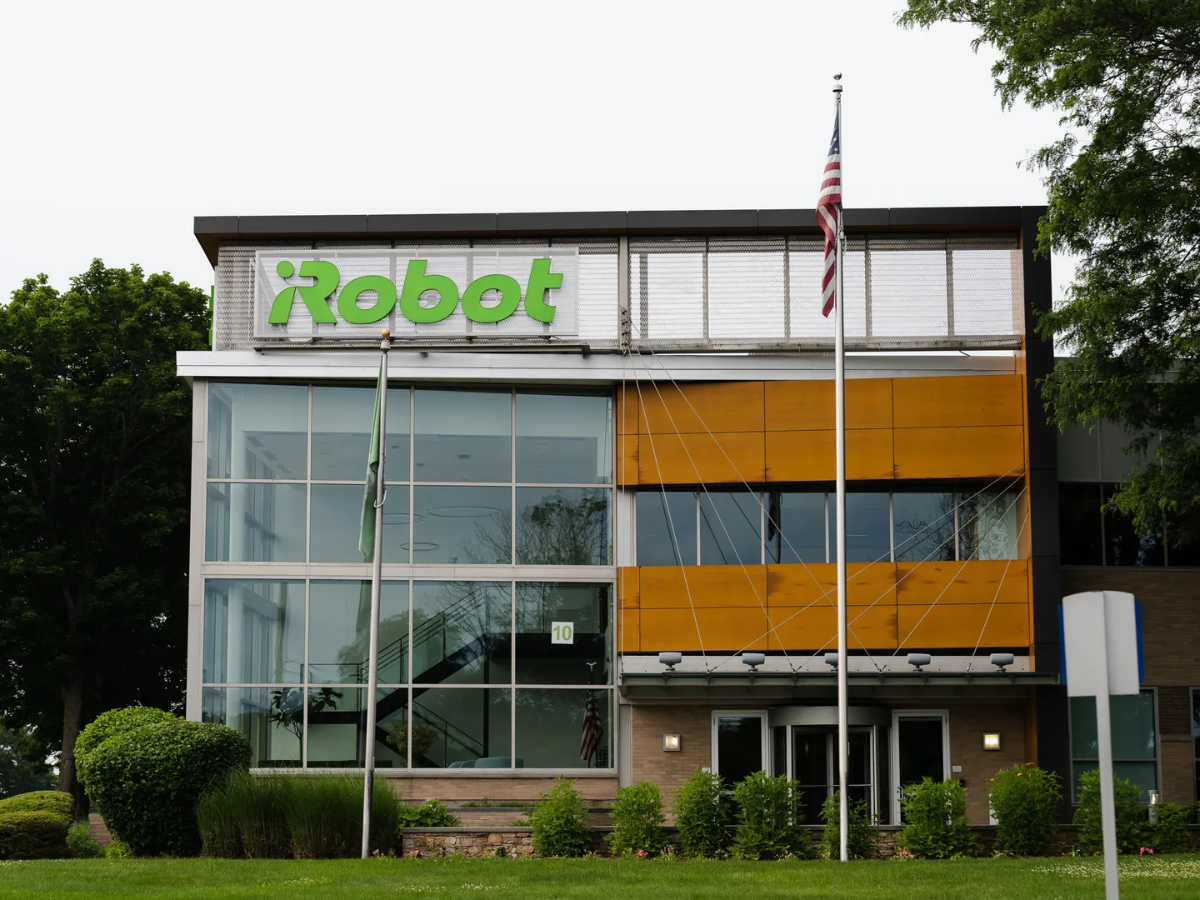
NEW JERSEY (Business Emerge Report): iRobot has filed for Chapter 11 bankruptcy protection in the United States as the company moves ahead with plans to be acquired by its primary manufacturing partner. The filing allows the robot vacuum cleaner maker to continue operating while it restructures its financial obligations and completes a proposed ownership transition.
The bankruptcy petition was submitted on Sunday in Delaware. iRobot stated that the process is intended to support a sale that will result in the company becoming privately held. The buyer identified in court documents is Picea Robotics, which currently manufactures iRobot products. The transaction is subject to approval by the bankruptcy court and other customary conditions.
Financial disclosures show that iRobot generated approximately $682 million in total revenue during 2024. Despite this revenue base, the company reported mounting cost pressures and declining margins. Court filings indicate that iRobot carries about $190 million in debt tied to a loan secured in 2023. In addition, the company owes $74 million to Picea under existing manufacturing arrangements. These obligations form a central part of the restructuring plan outlined in the bankruptcy proceedings.
Earlier this year, iRobot disclosed that its ability to continue operations was uncertain due to market and cost challenges. The company operates in a segment that has seen a rise in lower-priced robotic vacuum cleaners produced by competitors based in China. This shift has forced iRobot to reduce product prices while increasing spending on product development and technology upgrades to remain competitive in key markets.
Tariffs imposed by the United States have added further strain on the company’s cost structure. iRobot manufactures vacuum cleaners for the U.S. market in Vietnam, where imports are subject to a 46 percent levy. According to court records, these tariffs increased the company’s costs by $23 million in 2025. The added expenses also complicated long-term planning and inventory decisions, contributing to liquidity pressure.
The company’s current financial position is partly linked to events surrounding a previously announced acquisition. iRobot had been the subject of a proposed $1.4 billion buyout by a major technology firm. That transaction did not move forward after regulatory scrutiny in Europe delayed approval. During the review period, iRobot relied on a loan to refinance its operations while awaiting a final decision. When the deal was ultimately abandoned, repayment obligations became more difficult to manage.
Following missed payments to Picea, the China-based manufacturer acquired iRobot’s debt from investment funds managed by the Carlyle Group, as outlined in bankruptcy filings. This move positioned Picea as the company’s largest creditor and set the stage for the current acquisition proposal. Under the restructuring plan, Picea is expected to assume full ownership of iRobot.
The proposed agreement includes the cancellation of the remaining balance on the 2023 loan, totaling $190 million, along with the elimination of the $74 million owed under the manufacturing agreement. If approved, these measures would significantly reduce iRobot’s liabilities and alter its capital structure. The plan does not outline changes to day-to-day operations during the bankruptcy process.
The filing reflects broader conditions affecting the global consumer robotics market. Established manufacturers are facing sustained pricing pressure, higher production costs, and shifting supply chain dynamics. For the United States market, import tariffs and reliance on overseas manufacturing have become key operational factors for companies producing consumer electronics and home automation devices.
Court oversight will continue as the bankruptcy process moves forward. iRobot is expected to operate under Chapter 11 protection while the court evaluates the proposed sale and debt cancellation. The completion of the transaction will depend on regulatory and judicial approval. Until that time, the company will continue manufacturing and selling its products under existing arrangements.