

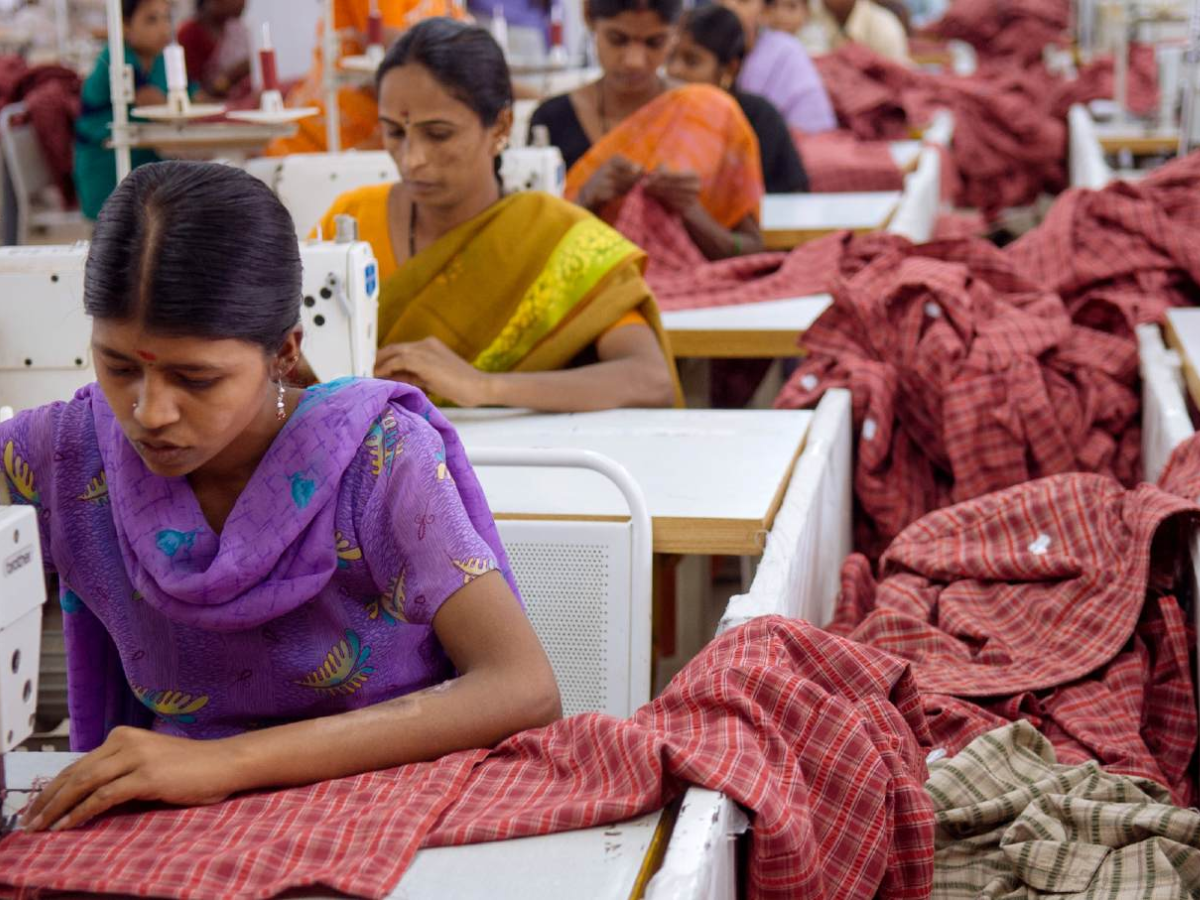
NEW DELHI (Business Emerge): India’s merchandise exports recorded a strong increase in November despite higher import duties imposed by the United States, marking a reversal from recent declines and signaling resilience in overseas demand. The rebound came after several months of pressure following the tariff escalation in late August, when duties on Indian goods entering the US were raised to 50 percent.
The recovery was led by shipments to the United States, which expanded sharply on a year-on-year basis during the month. This improvement supported overall export performance and eased immediate concerns of a prolonged slowdown in external trade flows.
The rise occurred in November and reflected higher outbound shipments from India to multiple destinations, with the United States emerging as a key contributor. Trade data released this week showed exports to the US growing faster than India’s total export expansion for the month. The gains followed earlier declines in September and October, when shipments to the US had contracted amid uncertainty over trade discussions and higher duties.
Total goods exports reached $38.13 billion in November, representing growth of more than 19 percent from the same period last year. Exports to the US increased by over 22 percent during the month, outpacing the overall pace of growth. November marked the highest level of goods exports for that month in the past decade. The data also showed a recovery from the near 9 percent annual decline in US-bound exports recorded in October.
Earlier developments had weighed on trade sentiment. The tariff increase introduced in late August included an additional levy linked to India’s energy import decisions, raising overall duties to the highest level applied to Indian goods globally. The move initially weakened export volumes and contributed to currency pressure, with the rupee touching record lows as markets awaited clarity on trade engagement between the two countries.
The November data suggests a stabilising trend. Strong domestic economic conditions and diversification across products and markets supported export activity. India’s economy expanded at an annual rate of 8.2 percent in the July to September quarter, exceeding prior estimates. Services trade also provided support, with services exports totalling about $35.86 billion in November and generating a surplus of nearly $18 billion during the month.
Manufactured electronics emerged as a significant driver. Exports of electronic goods between April and November rose by 38 percent from a year earlier. Increased domestic production of smartphones has played a role, with global manufacturers expanding output in India. During the March to May period, a large share of smartphones assembled for export were shipped to the US, reflecting a shift in export destinations within the electronics sector.
Currency movements also influenced trade outcomes. The rupee has depreciated by roughly 6 percent against the dollar so far this year, lowering export prices in foreign currency terms and partially offsetting the impact of higher tariffs. While the weaker currency increased input costs for some producers, it improved competitiveness for exporters in several categories.
Looking ahead, recent data has influenced the pace and posture of trade engagement. Indian officials have maintained existing positions on key import issues, including agricultural products, while discussions continue on a framework to address reciprocal duties. Recent high-level exchanges and official visits have not yet resulted in a final agreement, though expectations remain that a structured approach could emerge.
Exporters remain watchful of developments. Some sectors, such as marine products, reported growth in shipments to markets including China, Vietnam, Russia, the European Union, and the Middle East during April to November. However, exports of these products to the US declined sharply due to reduced viability under current duty levels. Industry representatives have indicated that restoring access to the US market would be essential for sustaining margins in these segments.