


MANILA (Business Emerge/Asia): The Philippine government has secured a new financing package aimed at expanding national efforts to safeguard its marine environment and improve long-term sustainability across coastal communities.
The Asian Development Bank approved a policy-based loan valued at 500 million dollars on December 11, forming the core of a broader funding programme involving support from Agence Française de Développement and Germany’s KfW Development Bank. Both institutions are expected to contribute around 235 million dollars each, creating a multi-partner initiative that will guide the country’s transition toward a more sustainable ocean-focused strategy.
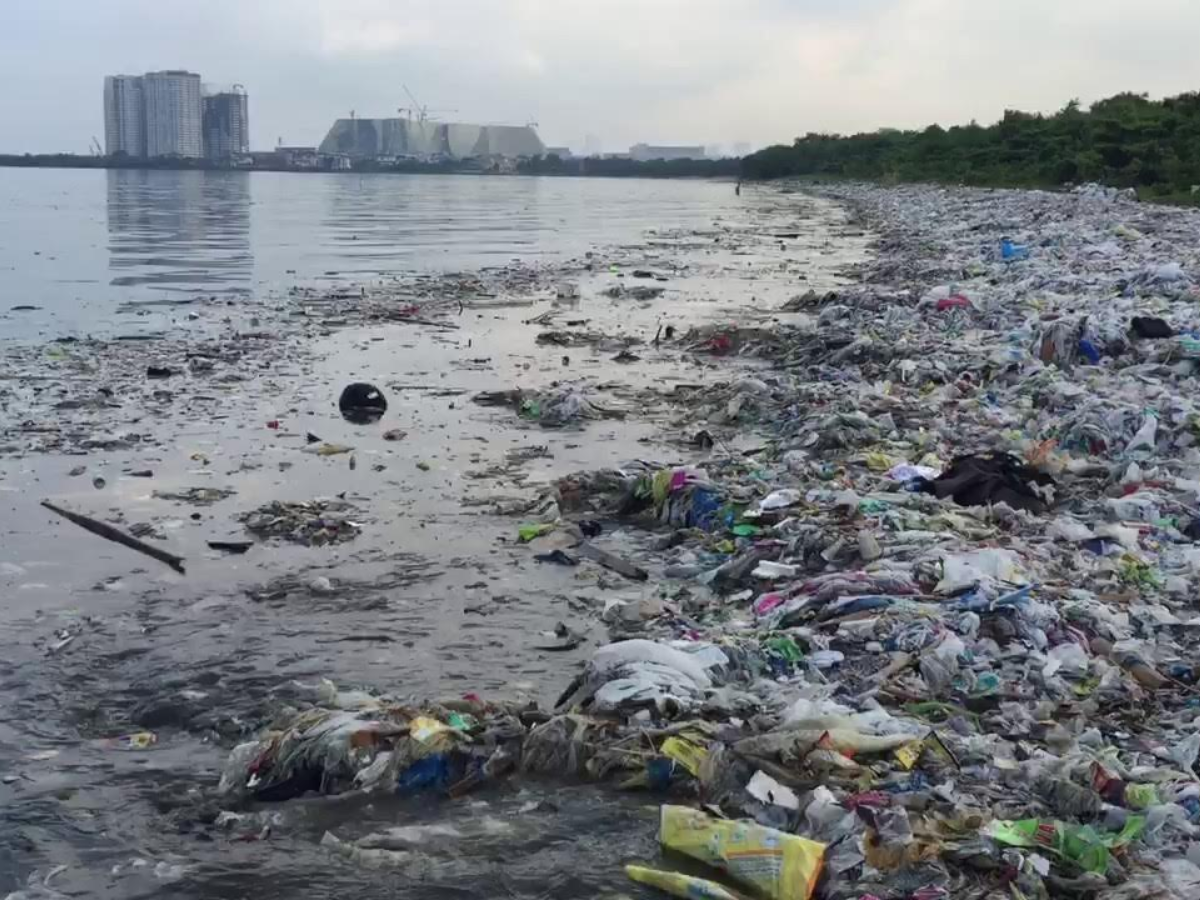
The programme focuses on a series of environmental challenges affecting the Philippines, including plastic leakage into the ocean, climate-related pressures on marine ecosystems, and the need for clearer national regulations on resource management. Recent assessments show that an estimated 750,000 metric tons of plastic flow into Philippine waters every year, with the largest concentrations reported in areas such as Manila Bay.
ADB officials stated that the initiative marks the institution’s most extensive cross-sector effort dedicated to the development of a blue economy within the region. The programme will introduce uniform labelling standards for plastics and recyclable materials, align local and national waste management rules, and support wider adoption of circular practices. The goal is to strengthen compliance with the country’s Extended Producer Responsibility system and reduce the volume of waste entering coastal environments.
The Philippines remains among the most climate-exposed nations, regularly experiencing severe typhoons, flooding, and rising sea levels. These events have driven the need for stronger legal structures capable of supporting coastal resource management. Government reports indicated that the country experienced a sequence of six severe typhoons within a single month last year. Authorities also observed an unusual formation of four tropical cyclones developing simultaneously in November, raising concerns about increasingly compressed storm intervals.
Sector analysts expect the new funding to support industries dependent on ocean resources, including commercial fishing, tourism-related businesses, and upcoming offshore energy ventures. Strengthened regulatory systems and improved waste reduction practices are anticipated to help maintain ecosystem stability, which is essential for long-term economic activity in coastal provinces.
Further policy development is expected as the programme progresses, with the Philippines set to update its institutional mechanisms and environmental targets. The government is likely to introduce additional measures focused on marine conservation and disaster resilience as part of its broader sustainability roadmap.