


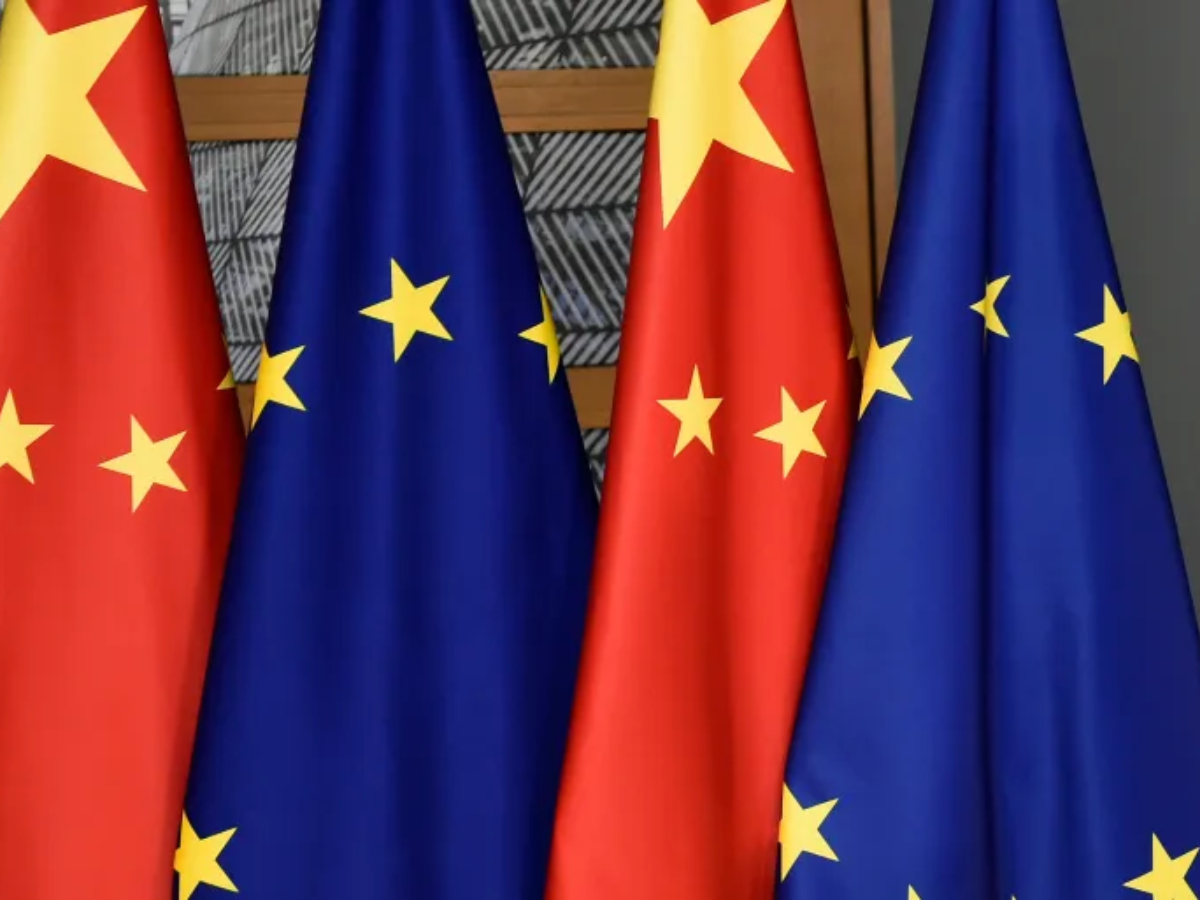
Beijing (Business Emerge Asian Update): China has confirmed that its recent discussions with the European Union on a potential minimum pricing mechanism for electric vehicles have resumed, marking a new phase in efforts to address concerns surrounding imports of China-manufactured models. Officials indicated that the talks will continue into the coming week as both sides attempt to narrow gaps on trade measures affecting the EV sector.
China’s commerce ministry stated that exchanges with EU representatives had taken place over the past several days, adding that the process remains active. The ministry also urged the bloc to maintain unified communication rather than conduct separate conversations with individual manufacturers involved in the export of electric vehicles.
The renewed talks follow the European Union’s decision in October 2024 to apply duties that can reach as high as 45.3 percent on EVs produced in China. The tariffs were introduced after an investigation by the European Commission into whether producers in China received financial benefits that could result in an excess supply of vehicles across European markets. The EV industry in China has been dealing with pressure from falling margins and intense pricing competition within its domestic market, which has increased the importance of overseas demand.
Chinese authorities have continued to argue that the country’s vehicle makers operate with stronger cost advantages rooted in scale and production efficiency. Beijing has been encouraging EU officials to consider a minimum pricing approach as an alternative to the newly imposed duties. The commerce ministry, through its spokesperson He Yadong, noted during a media briefing that the government welcomed the EU’s willingness to revisit the issue and viewed the renewed talks as a constructive path toward resolving trade friction.
Historical precedents show that earlier price undertaking arrangements between China and the EU were designed for uniform goods rather than technologically advanced manufactured products such as electric vehicles. European officials have previously indicated that a single minimum price may not fully address the impact of subsidies on market conditions, noting variations across model types, production methods and manufacturer strategies.
The EV sector has become a key component of China’s industrial export strategy, and Europe remains one of its most significant destinations. Any shift in pricing rules or tariff measures is expected to influence cross-border supply chains, investment plans and manufacturing schedules for companies on both sides. European producers are monitoring the developments as they adjust their competitive outlook in light of increasing imports of lower-cost vehicles.
Market analysts expect that the coming rounds of talks may determine whether both sides can agree on a framework that balances cost controls with the EU’s objective of mitigating market disruption. If negotiations progress, officials may explore technical structures that categorize vehicle types or differentiate between manufacturers, which could influence how a minimum price mechanism might be applied.
Further talks are scheduled to continue next week as officials assess the feasibility of moving from punitive tariffs to a coordinated pricing solution. Both sides are expected to outline their preferred conditions in an effort to identify potential areas of compromise.