


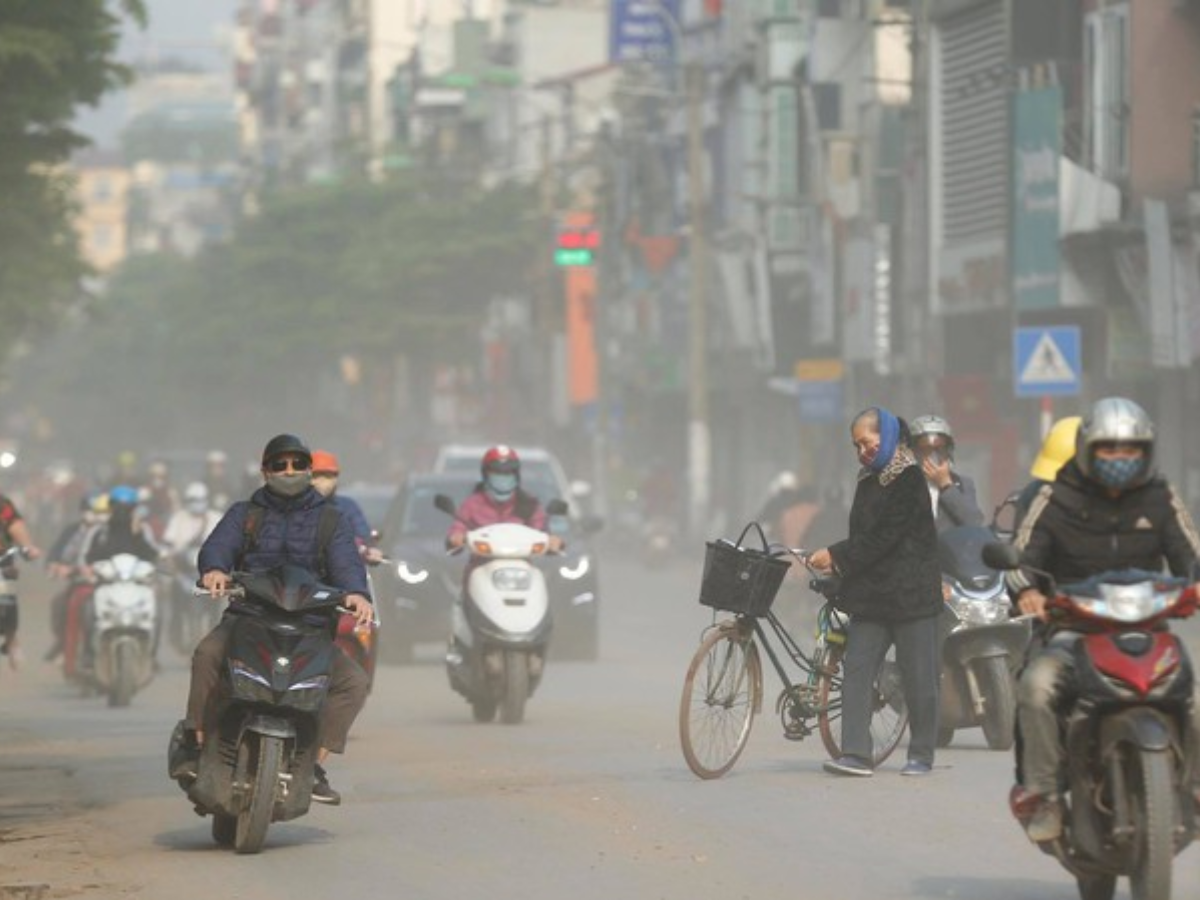
HANOI (Business Emerge Energy Desk): Industrial facilities in Hanoi have been asked to limit their operations as the city experiences a period of severe air pollution that has lasted for several days. Officials issued the request after monitoring stations recorded a sharp deterioration in air quality across multiple districts.
The directive was communicated earlier this week and targets major sectors including electricity generation, steel production and chemical manufacturing. Health authorities noted that reductions should be implemented whenever the air quality index crosses 200, a threshold indicating high concentrations of fine particulate matter known as PM2.5.
Data recorded on Thursday placed the index at 243 during midday readings, placing Hanoi among the most affected urban centres worldwide for the day. The city has appeared near the top of international pollution rankings several times over the past week as well as during earlier spikes this year.
Hanoi has dealt with recurring pollution concerns for years as urbanisation, industrial activity and growing transport density continue to expand. Residents reported difficulties linked to the smog, with many describing eye irritation and the need to use protective masks outdoors.
Local departments studying pollution patterns have identified transport emissions, waste burning, construction work and industrial output as major contributors. Officials noted that the widespread use of gasoline powered two wheelers has played a significant role. Municipal plans include restricted access for such vehicles in central zones beginning in mid 2026 followed by a gradual extension of curbs on fossil fuel based cars.
Community members expressed concern about the ongoing conditions and their effect on daily life. Older residents said they experience fatigue and limited visibility during the current episode. Based on recent readings, the concentration of PM2.5 particles may be significantly above recommended health limits set by global health bodies.
Authorities are expected to continue air quality monitoring in the coming days. Further operational limits could be introduced if pollution levels remain elevated, while transport and industrial policies are likely to evolve as the city works on long term mitigation measures.